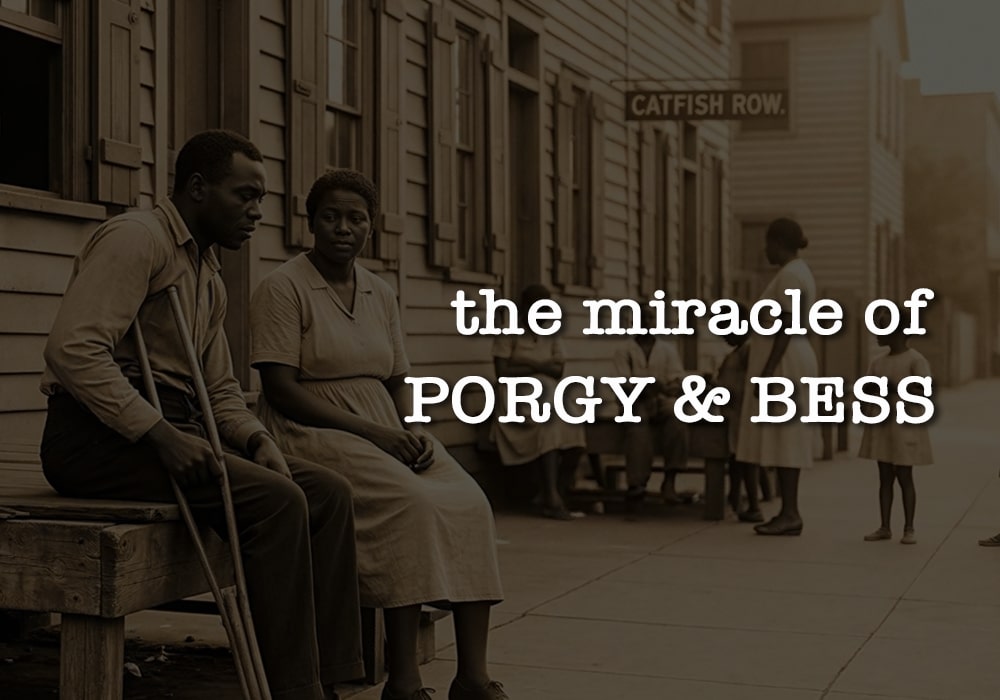


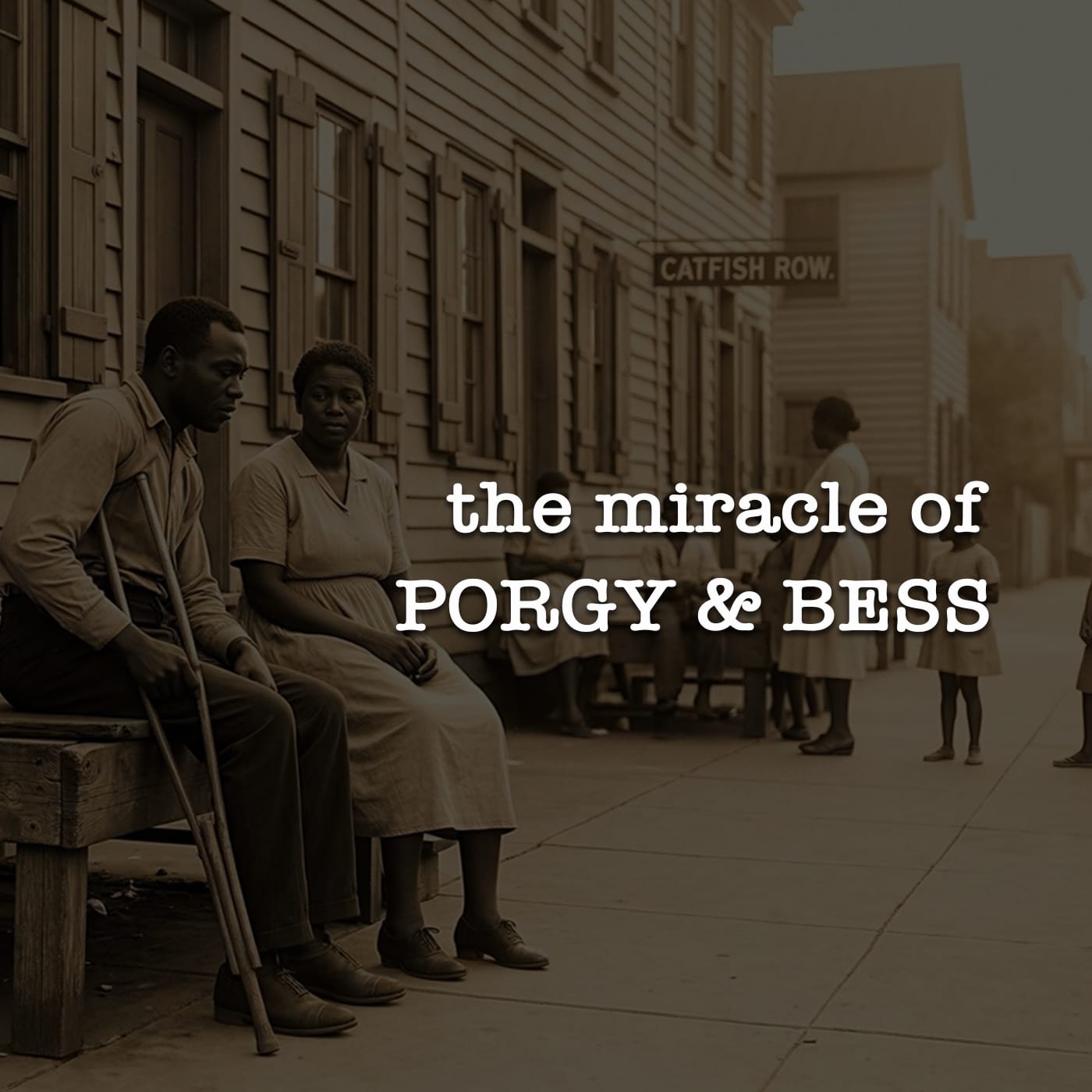
The Miracle of Porgy & Bess (S6 | E272)
Fascinated by the creation of Porgy and Bess.
What an incredible weekend for opera lovers in New York. I’m still buzzing from Saturday’s performance of Porgy and Bess at The Metropolitan Opera, an experience so profound that I knew immediately it had to be the focus of this week’s Lester the Nightfly. There is something about Gershwin’s “American Folk Opera” that transcends the stage, blending the structural majesty of classical music with the raw, rhythmic soul of jazz and blues.
WE START WITH THE OPERA
We kicked off the set with the soaring, haunting melodies that define the opening acts. From the Glyndebourne Chorus’s powerful renditions of “My man’s gone now” and “Summertime” under the baton of Sir Simon Rattle. This gets us ready for the easter egg of Juliet Ewing’s contemporary take on that same iconic lullaby from Simply ‘S Wonderful, later in the program. Simmertime is now a permanent fixture of the American songbook.
Hearing the Met’s orchestra live reminded me just how intricate these arrangements truly are.
Of course, no exploration of Porgy and Bess would be complete without acknowledging how jazz royalty has reinterpreted this material. We featured Nina Simone’s deeply emotive “I Loves You Porgy” from her album My Way , alongside the cool, spacious interpretations of Miles Davis. Davis’s 1959 collaborations on tracks like “My Man’s Gone Now” and “It Ain’t Necessarily So” stripped the theatricality away to reveal the pure, blue heart of Gershwin’s compositions.
As the show progressed, we moved into the heavier, more rhythmic character pieces that give the opera its grit. We listened to the legendary Oscar Peterson’s nimble piano work on “It Ain’t Necessarily So” , followed by the operatic power of Donnie Ray Albert and Wilma Shakesnider in the 1977 RCA Red Seal recording. These versions showcase the duality of the work—how it can feel just as at home in a smoky jazz club as it does in a world-class opera house
The 50’s & 60’s and P&B
We also took a moment to appreciate the technical brilliance of past masters, including the 1963 RCA Red Seal recording featuring Leontyne Price and William Warfield. Price’s voice remains the gold standard for many of these roles, and comparing her work to Florence Quivar’s 1976 recording allows us to hear the evolution of how these characters are portrayed across decades
We closed the broadcast with what many consider the definitive duet: Ella Fitzgerald and Louis Armstrong performing “Bess You Is My Woman Now” from 1958. It was the perfect bookend to a night inspired by the Met. Whether it’s through the voices of Simon Estes or the trumpet of Miles Davis, the spirit of Catfish Row lives on. Thanks for tuning into Lester the Nightfly; I hope this music stays with you all week.
The Miracle of Porgy & Bess (S6 | E272)